
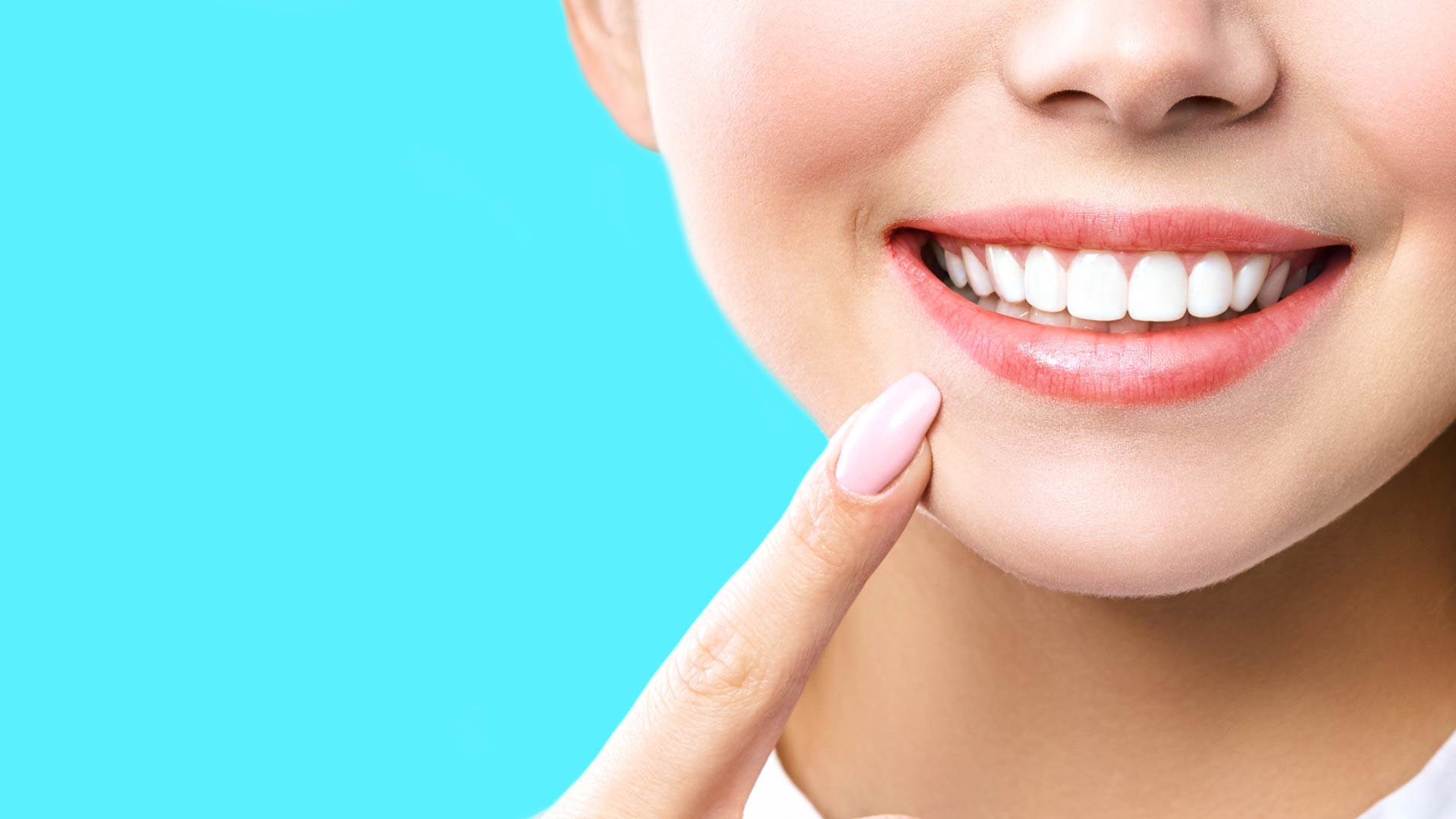
Let’s Talk About the Colour of Your Teeth
Are they as white as you would like them to be? Maybe your daily latte or espresso is causing your teeth to become a little stained or discoloured. Teeth can become stained or discoloured for many reasons, such as diet, lifestyle, and ageing. But why do our teeth become discoloured, and what can we do about it? Let’s look at the causes of tooth discolouration and the different kinds of tooth whitening options.
Understanding Tooth Discolouration
Before deciding how to whiten your teeth, it’s essential to understand why they have become discoloured. Tooth discolouration can be categorised into two types:
1. Extrinsic Discolouration
This occurs on the outer surface of the teeth and is usually caused by external factors such as:
- Food and Drinks: Coffee, tea, red wine, spices, and certain fruits can stain teeth.
- Tobacco Use: Smoking or chewing tobacco can lead to yellow or brown stains.
- Poor Oral Hygiene: Inadequate brushing and flossing can result in plaque buildup and surface stains.
2. Intrinsic Discolouration
This type of discolouration occurs within the tooth structure and can be caused by:
- Ageing: The enamel thins over time, revealing the yellowish dentin beneath.
- Medications: Certain antibiotics and medications can cause tooth discolouration.
- Trauma: Injury to a tooth can result in discolouration.
- Fluorosis: Excessive fluoride intake during tooth development can lead to white spots or streaks.
Tooth Whitening Methods
There are several tooth whitening methods available, ranging from professional treatments to over-the-counter products. Each method has its own advantages and considerations.
1. Professional In-Clinic Whitening
Professional in-clinic whitening is performed by a dentist and offers the most dramatic and immediate results. The procedure typically involves the following steps:
- Preparation: The dentist will clean your teeth to remove any plaque or debris. A protective barrier is applied to your gums to prevent irritation.
- Application: A high-concentration bleaching gel is applied to the teeth, which may contain hydrogen peroxide or carbamide peroxide.
- Activation: The bleaching agent is activated using a special light, enhancing its effectiveness.
- Rinse and Repeat: The gel is left on the teeth for a specific period, then rinsed off. This process may be repeated several times during the session.
Benefits:
- Immediate and noticeable results.
- Performed under professional supervision, ensuring safety and effectiveness.
Considerations:
- Higher cost compared to other methods.
- Potential for temporary tooth sensitivity.
2. At-Home Whitening Kits
At-home whitening kits provided by dentists offer a convenient and effective way to whiten teeth. These kits typically include precision-cut, custom-made trays and a professional-grade bleaching gel.
- Custom Trays: The dentist takes impressions or scans of your teeth to create custom-fitted trays.
- Application: You put a small dot of the whitening gel into the trays and wear them for a specified duration, usually a few hours a day or overnight.
- Duration: Treatment duration varies, but typically lasts for a few weeks.
Benefits:
- Custom trays ensure even application of the gel.
- Professional-grade gel provides effective results.
Considerations:
- Results take longer compared to in-clinic treatments.
- Potential for tooth sensitivity.
3. Over-the-Counter Whitening Products
Over-the-counter or shop-bought whitening products are widely available and include whitening strips, gels, pens, toothpaste, and rinses. These products contain lower concentrations of bleaching agents compared to professional treatments.
- Whitening Strips: Thin, flexible strips coated with a bleaching gel are applied to the teeth for a specified period.
- Whitening Pens: Gels are applied directly to the teeth using a brush or pen applicator.
- Whitening Toothpaste and Rinses: These products contain mild abrasives and bleaching agents to help remove surface stains.
Benefits:
- Affordable and easily accessible.
- Convenient for at-home use.
Considerations:
- Results may be less dramatic and take longer to achieve.
- Potential for uneven whitening and tooth sensitivity.
Potential Risks and Side Effects
While tooth whitening is generally safe, it’s essential to be aware of potential risks and side effects:
- Tooth Sensitivity: Whitening agents can temporarily increase tooth sensitivity. Using toothpaste designed for sensitive teeth can help alleviate this issue.
- Gum Irritation: Bleaching agents can irritate the gums if they come into contact with the soft tissue. Proper application and protective barriers can minimise this risk.
- Uneven Whitening: Existing dental work such as fillings, crowns, and veneers do not respond to whitening agents and may need to be replaced to match your newly whitened teeth.
Do I Have to See a Dentist for Teeth Whitening?
The regulations governing teeth whitening indicate that it should only be prescribed by a GDC-registered dentist. While you may see other places offering teeth whitening, these are often unregulated, uninsured providers who may not be using appropriately licensed products.
Tips for Maintaining a Bright Smile
To prolong the results of your tooth whitening treatment and maintain a bright smile, consider the following tips:
- Good Oral Hygiene: Brush your teeth at least twice a day and floss daily to remove plaque and prevent stains.
- Avoid Staining Foods and Drinks: Limit consumption of coffee, tea, red wine, and other staining substances. If you do consume them, rinse your mouth with water afterwards.
- Stop Smoking: Tobacco use can cause significant staining and discolouration. Quitting smoking not only benefits your oral health but also your overall health.
- Regular Dental Check-ups: Visit your dentist and hygienist regularly for professional cleanings and check-ups to maintain your oral health and the results of your whitening treatment.
- Use a Straw: When drinking beverages that can stain your teeth, use a straw to minimise contact with your teeth.
Will My Teeth Stay White?
Whitened teeth will still pick up some staining and discolouration over time, and the whitening process may need to be repeated periodically. Our at-home whitening system allows you to purchase “top-up” gels when you need them, which can be used in your custom-made trays to refresh your smile.
Is Tooth Whitening for You?
Tooth whitening is a popular and cost-effective way to enhance your smile and boost your confidence without making any adjustments to your teeth. So, if you’ve decided it’s time to make your smile sparkle again, why not call our team to arrange a whitening consultation?